SHOP APPAREL & GEAR

Shopping cart

No products in the cart.

FITMENT BASICS

A good wheel setup can completely transform your build, but before choosing a style, finish, or size, you first need to know what actually fits your vehicle. One of the easiest ways to start is by checking your vehicle specs on a site like this. By entering your make, model, and year, you can find key fitment details like bolt pattern, stock wheel and tire sizes, and offset. For example, a Chevy Silverado may come factory-equipped with a 17×8 wheel, a 255/70R17 tire, and a +22 offset with a 6×5.50 bolt pattern.
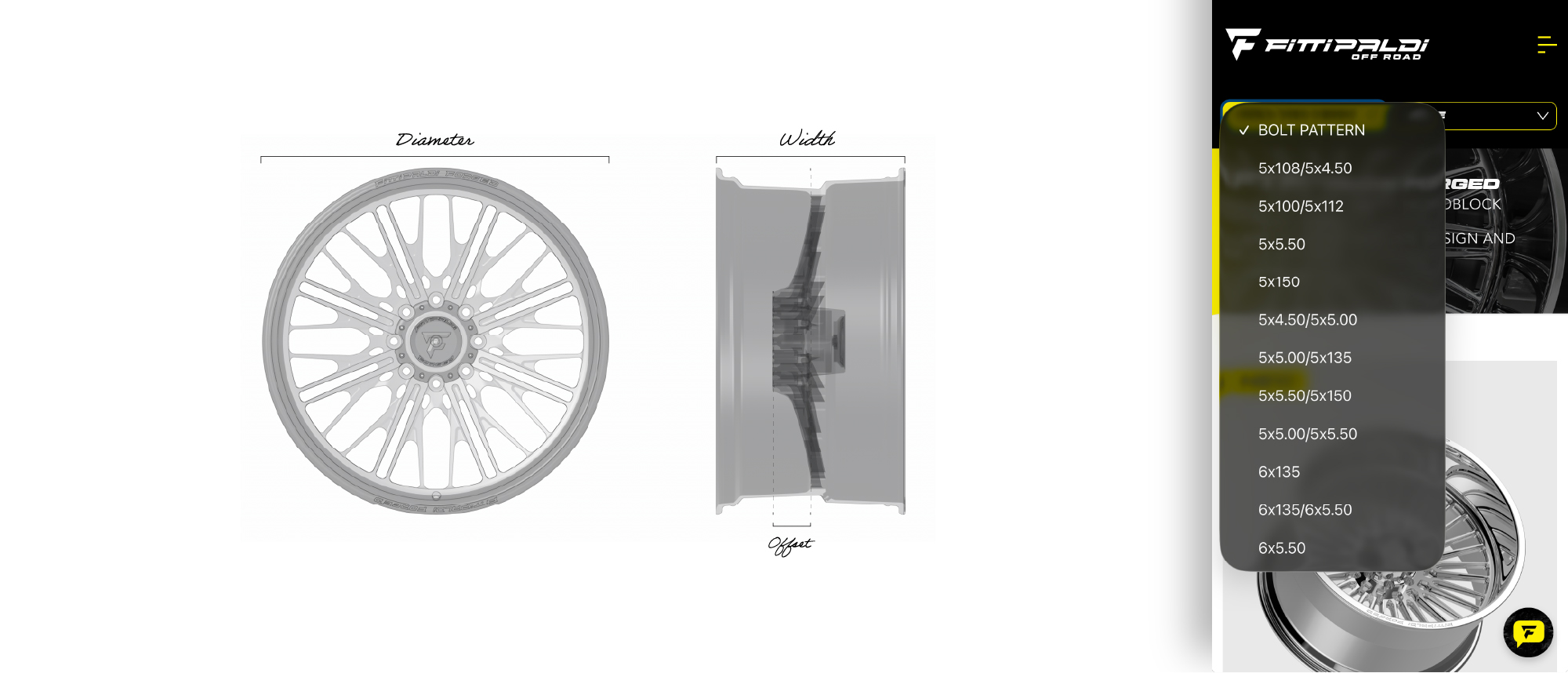
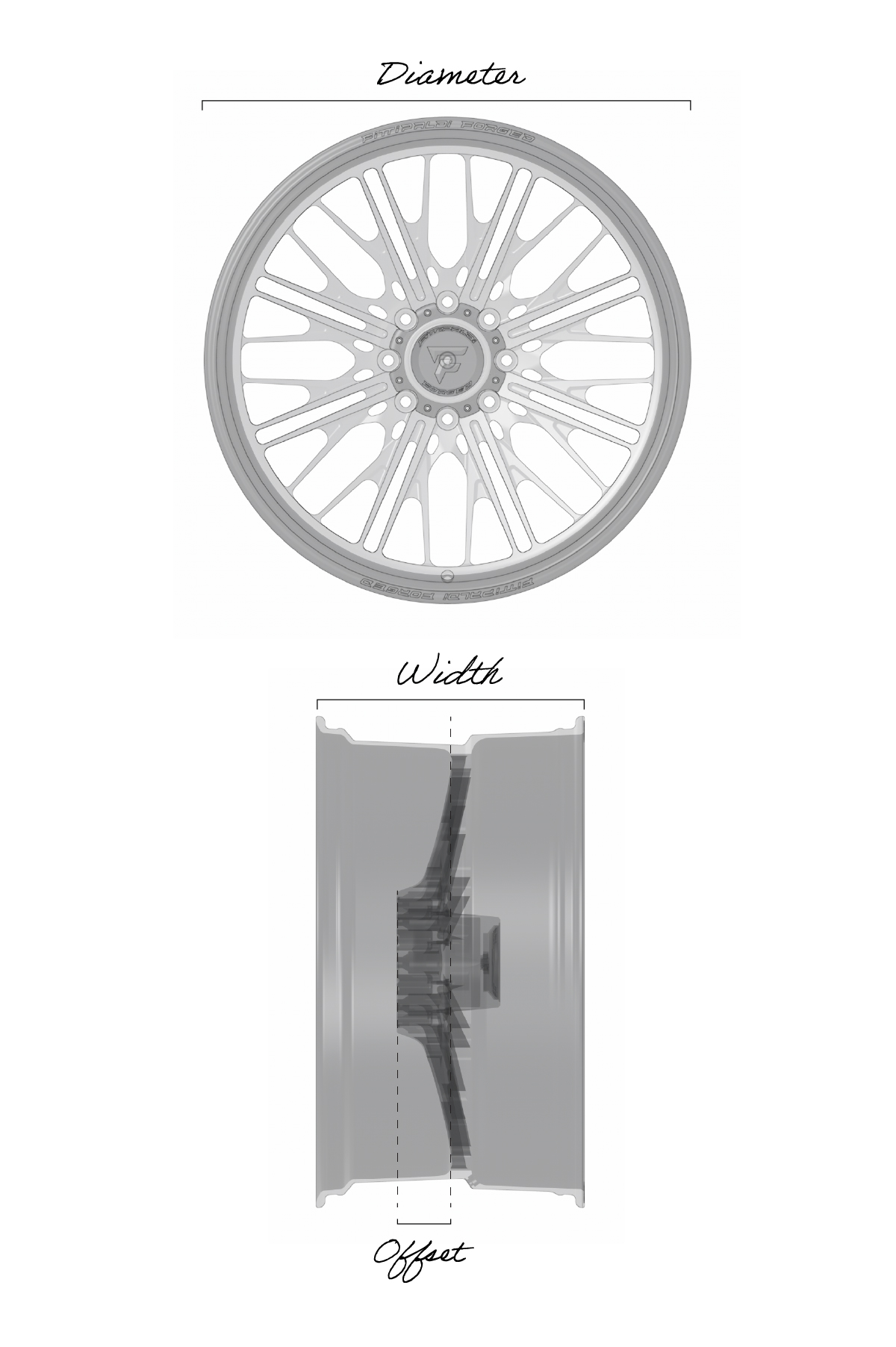
Understanding these numbers is important when shopping for wheels. The tire size tells you the tire width, sidewall height, and wheel diameter, while wheel specs include diameter, width, and offset. Offset determines how far inward or outward the wheel sits, with positive offsets tucking the wheel inward and negative offsets pushing it outward. Once you know your factory specs, you can use the filters on the Fittipaldi Off Road website to narrow down wheels by bolt pattern and diameter.

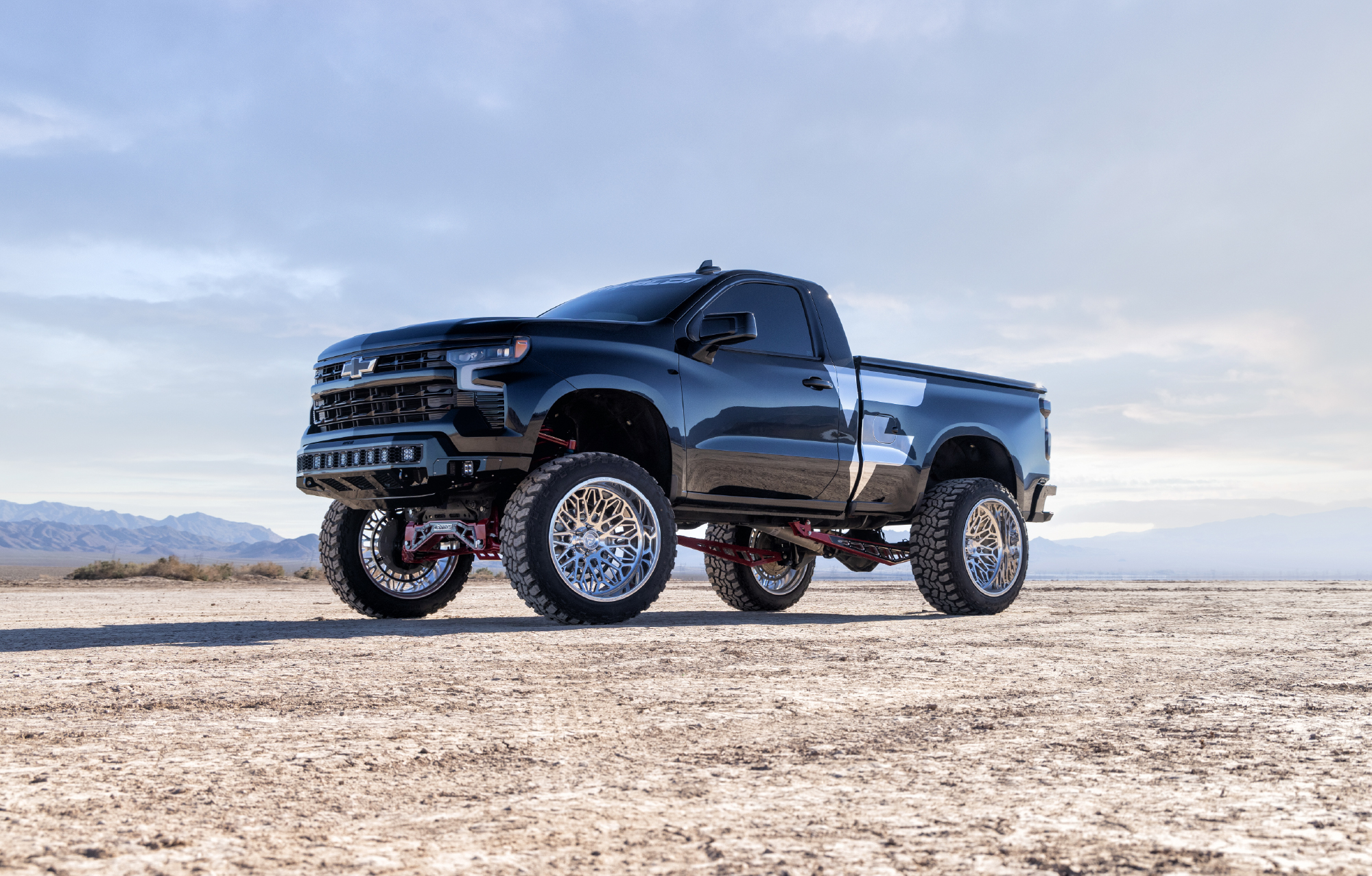
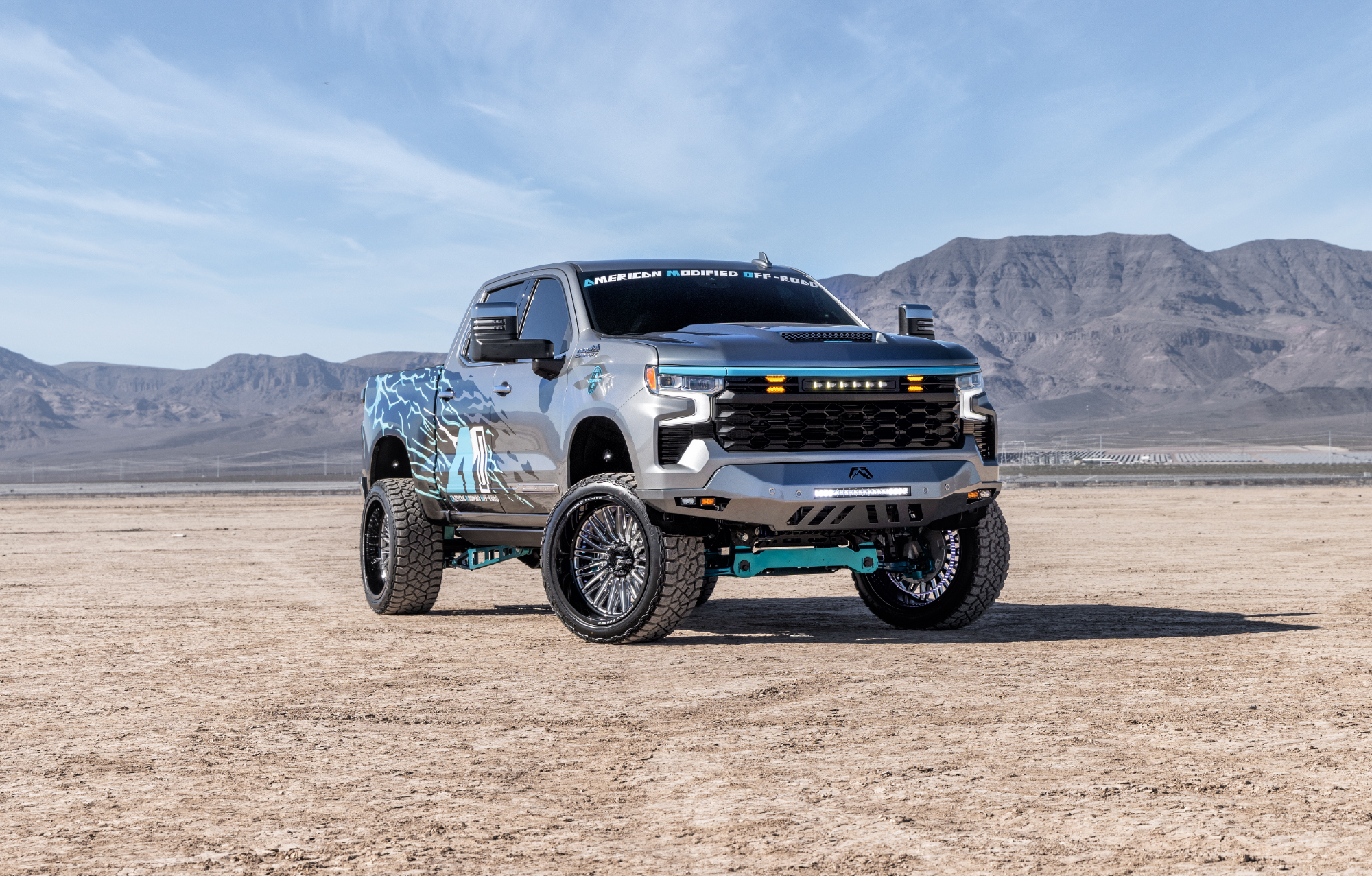
Many modified trucks run larger wheels and tires than stock, especially lifted setups. Tools like this can help compare your factory setup to a new wheel and tire combination to see how changes in size and offset may affect fitment. If you plan on making major changes, it’s always best to consult a trusted shop or contact us directly to confirm everything will work properly before purchasing.

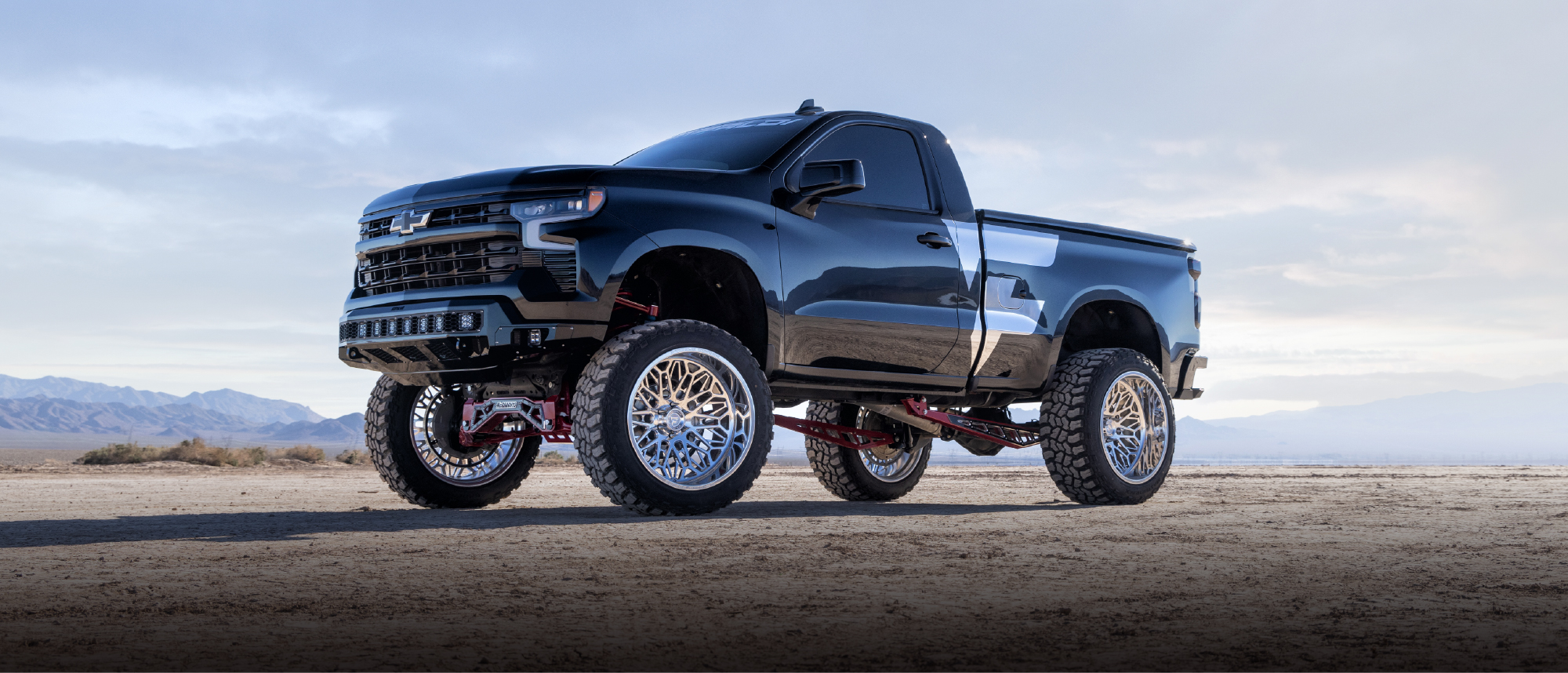
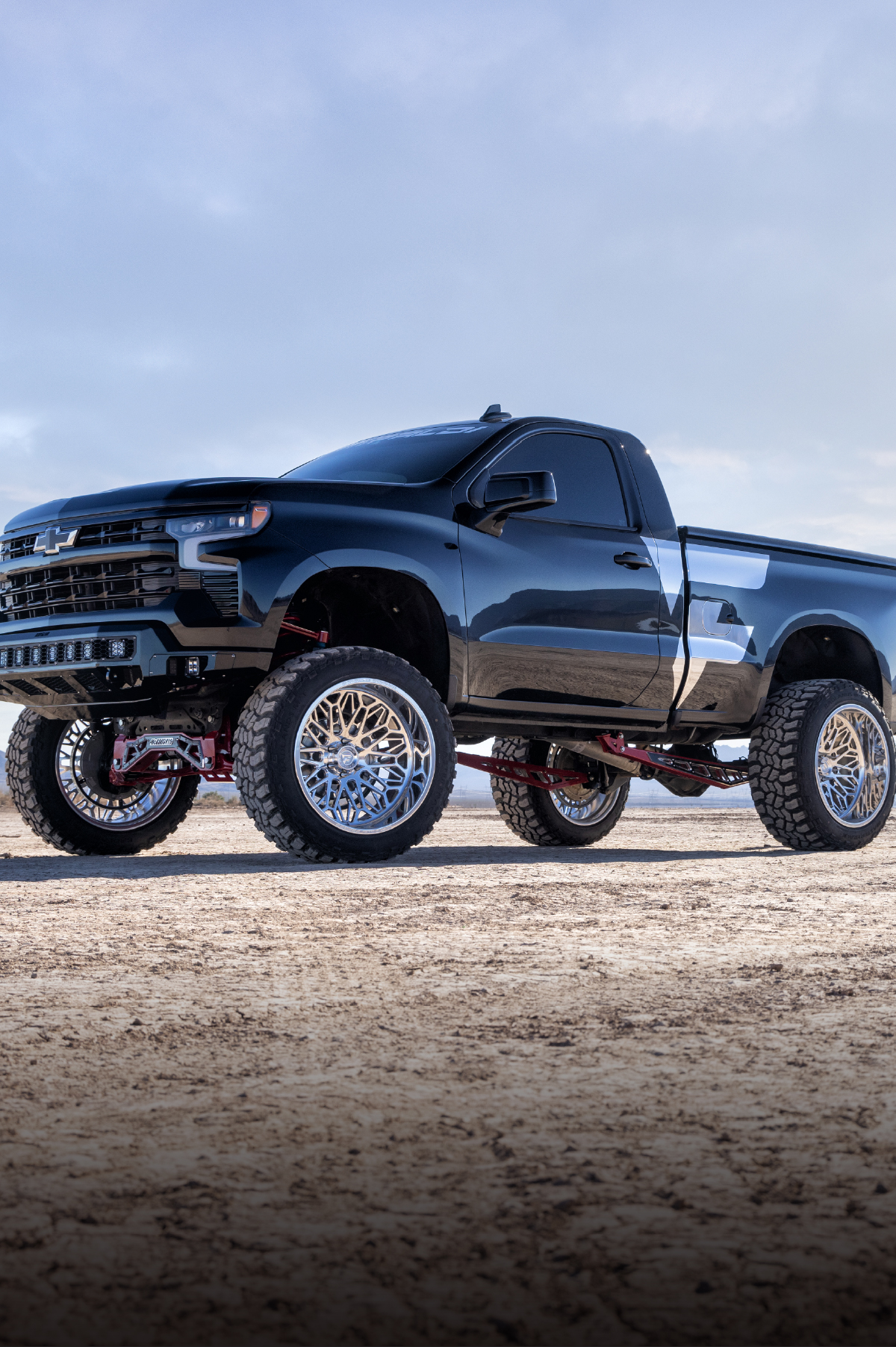
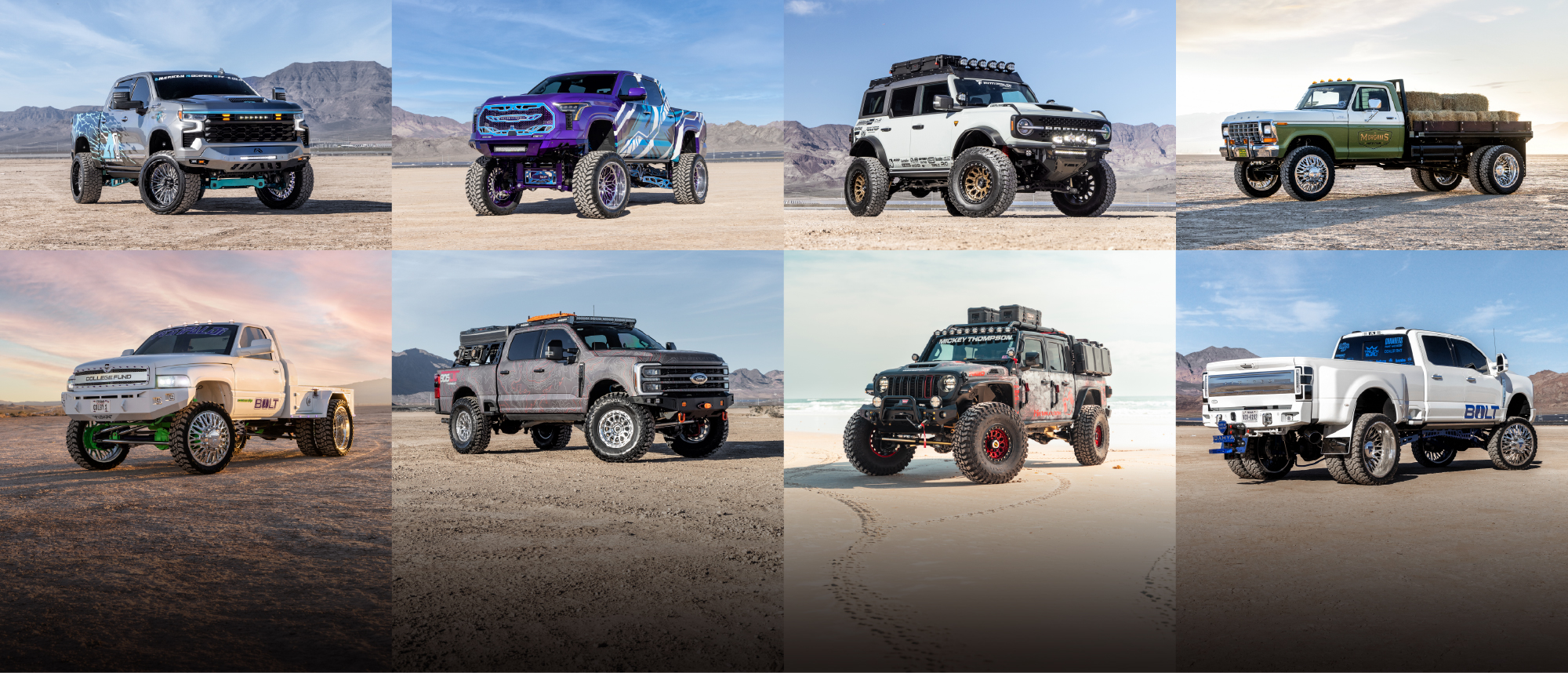
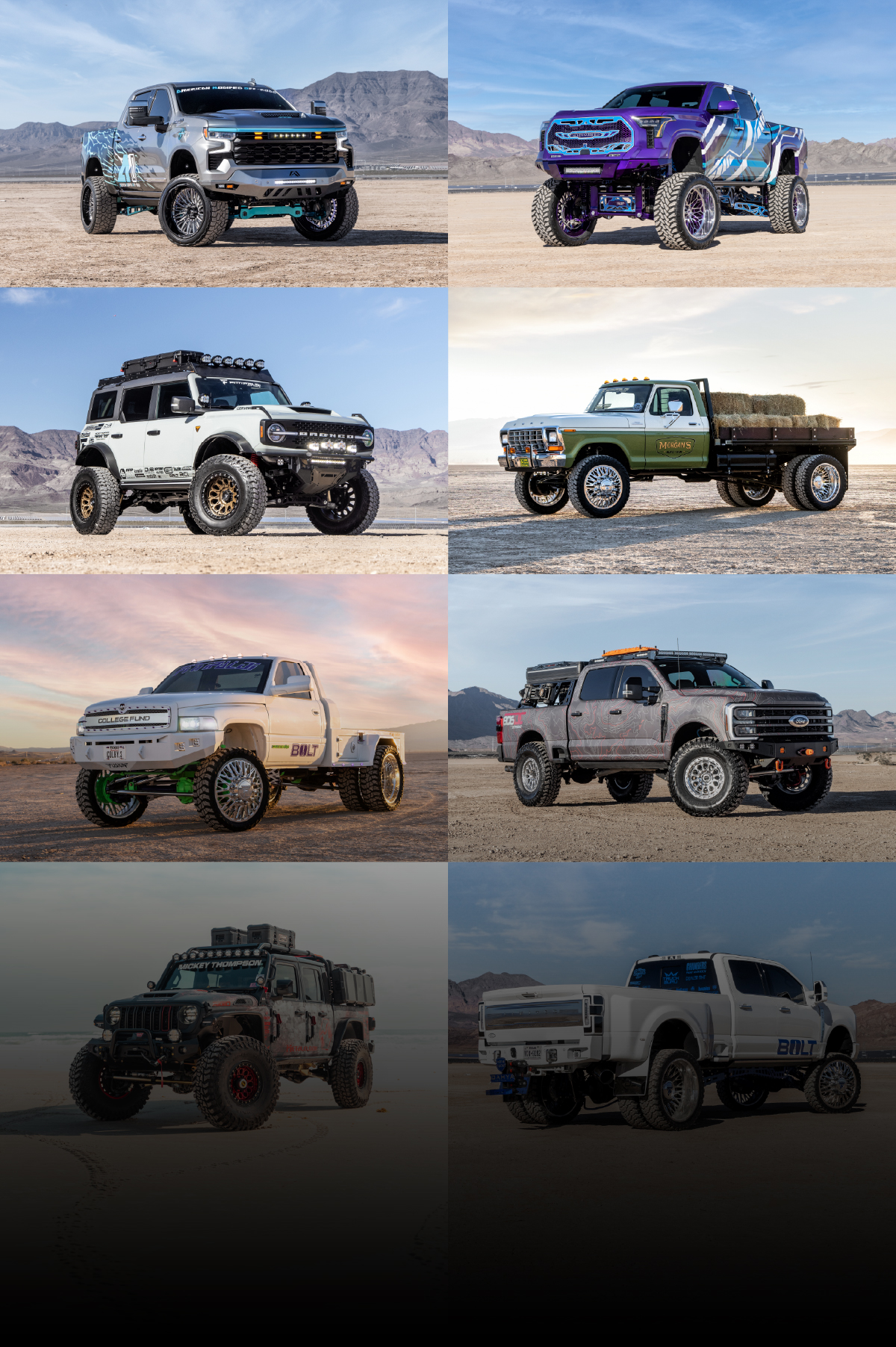
Once fitment is confirmed, the fun part begins—choosing the wheel style and finish that matches your build. Each product page includes detailed specs and part numbers so you can find the exact setup you need. You can also use our Dealer Locator to find a shop near you, explore our Gallery Page for real-world inspiration, or check out our Segment 101 guide to learn which wheel lineup best fits your vehicle and driving style.